
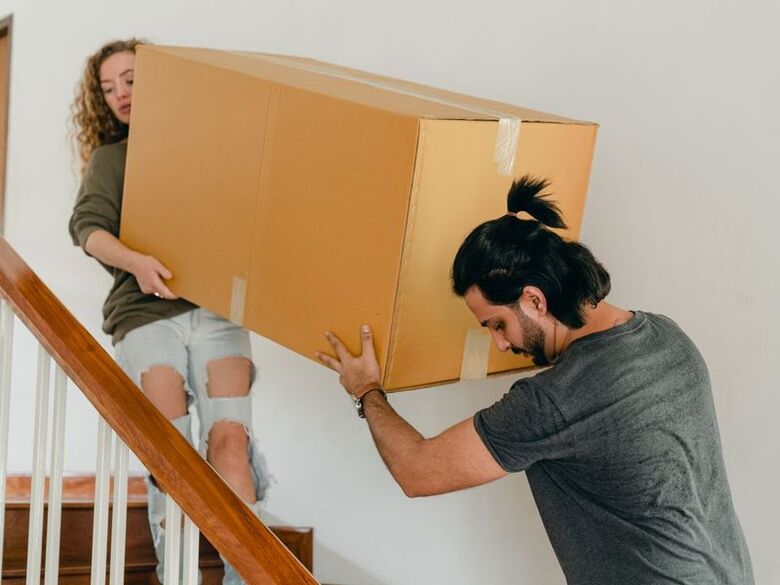
A move into a LoDo loft or a Cherry Creek high-rise bears almost no resemblance to a tidy job at a single-family ranch in Centennial. Instead of a flat driveway and a short carry, you’re dealing with a building that wants a certificate of insurance on file before a truck shows, a single freight elevator shared by the whole tower, a loading dock you reserve by the hour, and a narrow RiNo alley where the truck can legally sit for fifteen minutes. Miss one and a crew gets parked on the street with the meter running. We run these jobs constantly around Union Station, Riverfront, RiNo’s brick conversions, and the towers along Cherry Creek. Here’s how to clear every hurdle.
Start With the COI and the Building Office
Almost every managed building downtown — the Riverfront towers near Union Station, the RiNo loft conversions off Brighton Boulevard around ZIP 80216, the Cherry Creek high-rises — requires a certificate of insurance on file with property management before a mover sets foot inside. The COI proves the mover carries the liability and cargo coverage the building wants protecting its elevators, lobby, and shared corridors. Some buildings also name themselves as additional insured, which takes a day or two to issue correctly.
Good news on our side: Last Mile Moving holds a Colorado PUC household-goods permit, carries USDOT and MC authority for the longer hauls, and runs $1M cargo coverage, so cutting a COI for a downtown building is something we do every week. The catch is never whether we can produce one — it’s how soon management needs it and exactly how they want it worded.
The Freight Elevator and the Dock Reservation
In a tower, the whole move flows through one bottleneck: the freight elevator. Most downtown and Cherry Creek buildings let you book it by the hour and pad it for moves, and many pair it with a loading-dock slot off the alley. That layout shapes the entire day:
- Reserve the freight elevator in writing. One car serves every resident. Without a booked window, your crew waits in line behind a grocery delivery and a furniture drop, and that wait is on the clock.
- Lock the dock or the loading-zone window. Many buildings near Union Station and along Cherry Creek assign a dock by the hour. A RiNo loft may instead give you a striped loading zone with a posted time limit — plan the load order so the truck isn’t sitting illegally.
- Confirm the elevator’s inside dimensions. A long sectional or an armoire that won’t fit the freight car has to walk the stairs, which changes the crew size and the time.

Loft Access: Narrow Stairs, Brick, and the Long Carry
RiNo and the older LoDo conversions trade the elevator problem for a different one. Many brick lofts have a single narrow stairwell, a tight industrial doorway, or a unit two floors up with no freight car at all. That layout shapes the day just as much:
- Measure the doorway and the turn. Original brick openings and tight 90-degree landings can stop a big piece. We size up the access beforehand and bring straps and standing dollies so nothing scrapes the exposed brick.
- Plan the long carry from the alley. Where a 26-foot truck can’t get close on a narrow RiNo street, we bring extra hands and dollies and fold that distance into the written estimate, so the bill holds no surprises.
- Protect the finishes. Polished concrete floors and exposed brick scuff easily. Runners go down and corners get padded at both ends.
The One Phone Call That Saves the Day
Call the building office or HOA early and walk through every line in the table below before you set a date. Cover this once and almost nothing about a high-rise or loft move can blindside you on the morning:
| Confirm This | Because |
|---|---|
| COI requirements and deadline | Most buildings won’t let a mover in without it on file first |
| Additional-insured wording | Many towers want their own name written onto the certificate |
| Freight-elevator booking and hours | One car serves everyone; an unbooked window means waiting |
| Loading dock or loading-zone window | Decides where the truck legally sits and for how long |
| Freight-elevator inside dimensions | Tells you whether the big pieces ride or take the stairs |
| Permitted move days and hours | Some buildings bar moves on Sundays or after a cutoff |
| Any move-in fee or damage deposit | Plan for it; part of it sometimes comes back |
| Key fob, gate code, or dock access | Confirms the crew and truck can actually get in |
The downtown moves that go sideways never go sideways over the furniture. It’s a truck stuck at the curb because the COI wasn’t on file, or a freight elevator nobody booked, or a sofa that won’t fit a car nobody measured. Square those away and it’s just a careful last mile from the dock to your door. — Reid Calloway, owner
Parking, Permits, and the Downtown Clock
Even with the dock and elevator booked, a downtown move runs against the clock in ways a suburban one never does — a 15-minute loading zone, an alley a delivery truck is already blocking, a one-way off Larimer that adds a lap around the block. Stage the load order so the truck spends its dock window moving the most pieces, keep the freight-elevator key with the crew lead, and watch the permitted-hours cutoff so you aren’t sprinting before the elevator reverts to resident use.
Your Move-Day Checklist for a Tower or Loft
- COI submitted to building management, worded the way they require, and confirmed received.
- Freight elevator reserved in writing for your window, with padding requested.
- Loading dock or loading-zone slot booked and the truck’s legal sit-time confirmed.
- Elevator and doorway dimensions checked against your largest pieces.
- Permitted move days and hours double-checked against building rules.
- Key fob, dock key, or gate code picked up ahead of time and tested.
- Boxes labeled by room so the truck empties inside your reserved hours.
Pulling It All Together
A high-rise or loft job goes easy when the COI, the freight-elevator window, and the dock reservation all line up at once. We do that coordinating week in and week out across LoDo, RiNo, Riverfront, downtown, and Cherry Creek — cutting the certificate the way management wants it, booking the elevator and dock, and matching the crew size to the access so you’re never paying for movers standing in a lobby. Downtown lofts and towers fill a good share of our calendar; there’s more detail on the apartment moving page, while whole-house jobs live on the local moving page.
Frequently Asked Questions
Will you provide a COI for my building?
Yes, constantly — for the Riverfront and Union Station towers, the RiNo loft conversions, and the Cherry Creek high-rises. Send over what management requires roughly seven to ten days ahead, and we’ll issue the certificate worded their way, naming the building where needed, before your date and at no charge.
What if a 26-foot truck can’t fit the downtown street?
That happens on the tighter LoDo and RiNo blocks. We scout the approach beforehand, run a smaller truck or a shuttle when the street calls for it, and write any long carry into the estimate so nothing catches you off guard.
Do you handle the freight elevator and dock booking?
We coordinate it with you. The building reserves the elevator and dock under your name, and we tell you exactly what window and how long to book based on your inventory, then plan the load order so the truck clears its dock slot without idle time.
You’re called Last Mile Moving — are you a moving company or a service that finds movers?
We’re a moving company, plain and simple. Our own W-2 crew, our own trucks, our own Colorado PUC permit. We never broker the job or hand it to another carrier — the “last mile” is the careful final stretch from the truck into your unit, and we own every foot of it.
Can you finish inside a move-in window the building caps at a few hours?
Easily. We match the crew to your access and the booked elevator hours, label cartons by room, and sequence the load so the truck clears out inside your window with no wasted minutes on your tab.
High-Rise or Loft Move? We’ll Handle the Dock and the Paperwork.
Tell us your building and target date. You’ll get one written flat figure, plus a clear plan for the COI, the elevator reservation, and the truck so move morning runs clean.